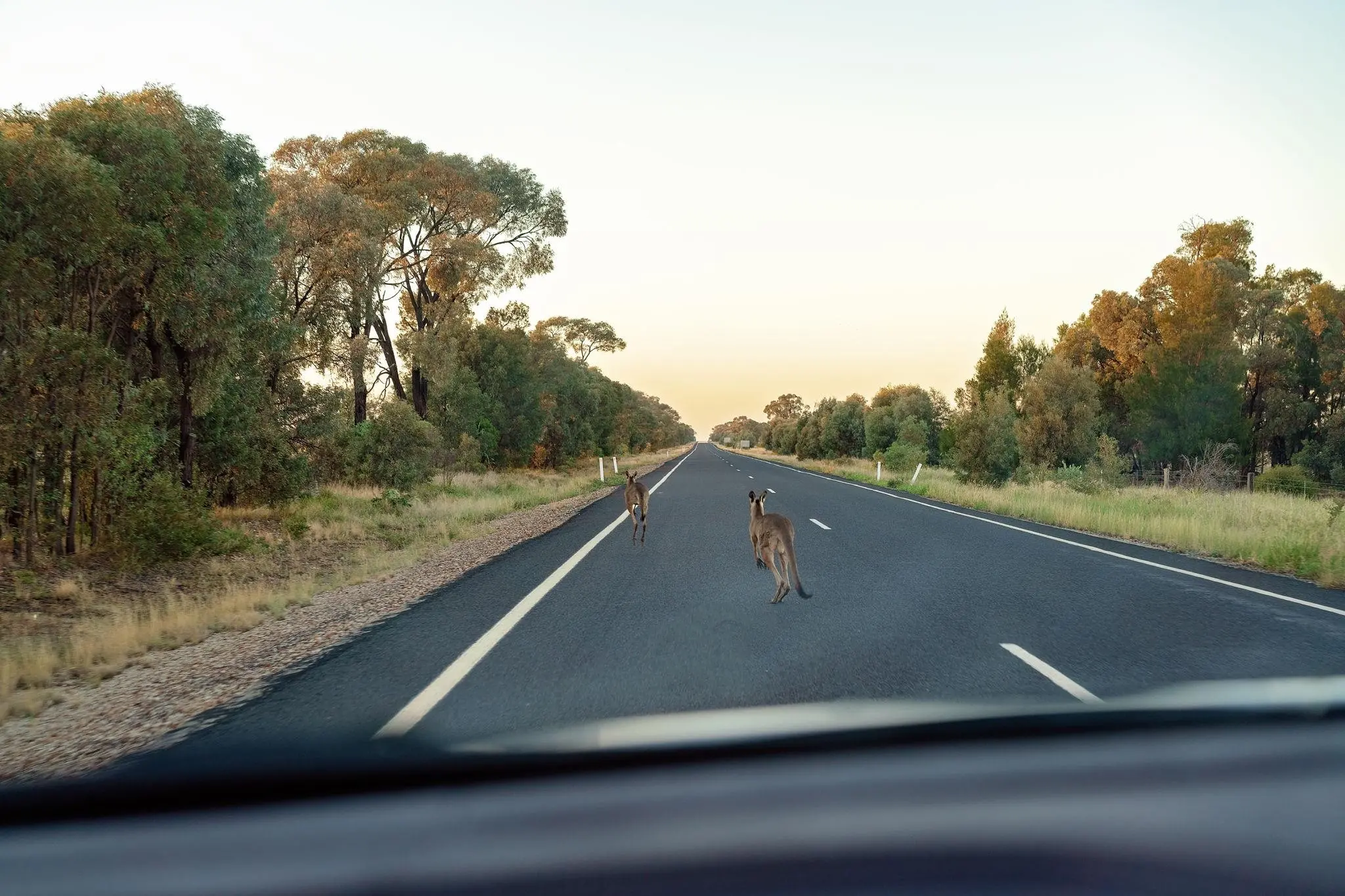
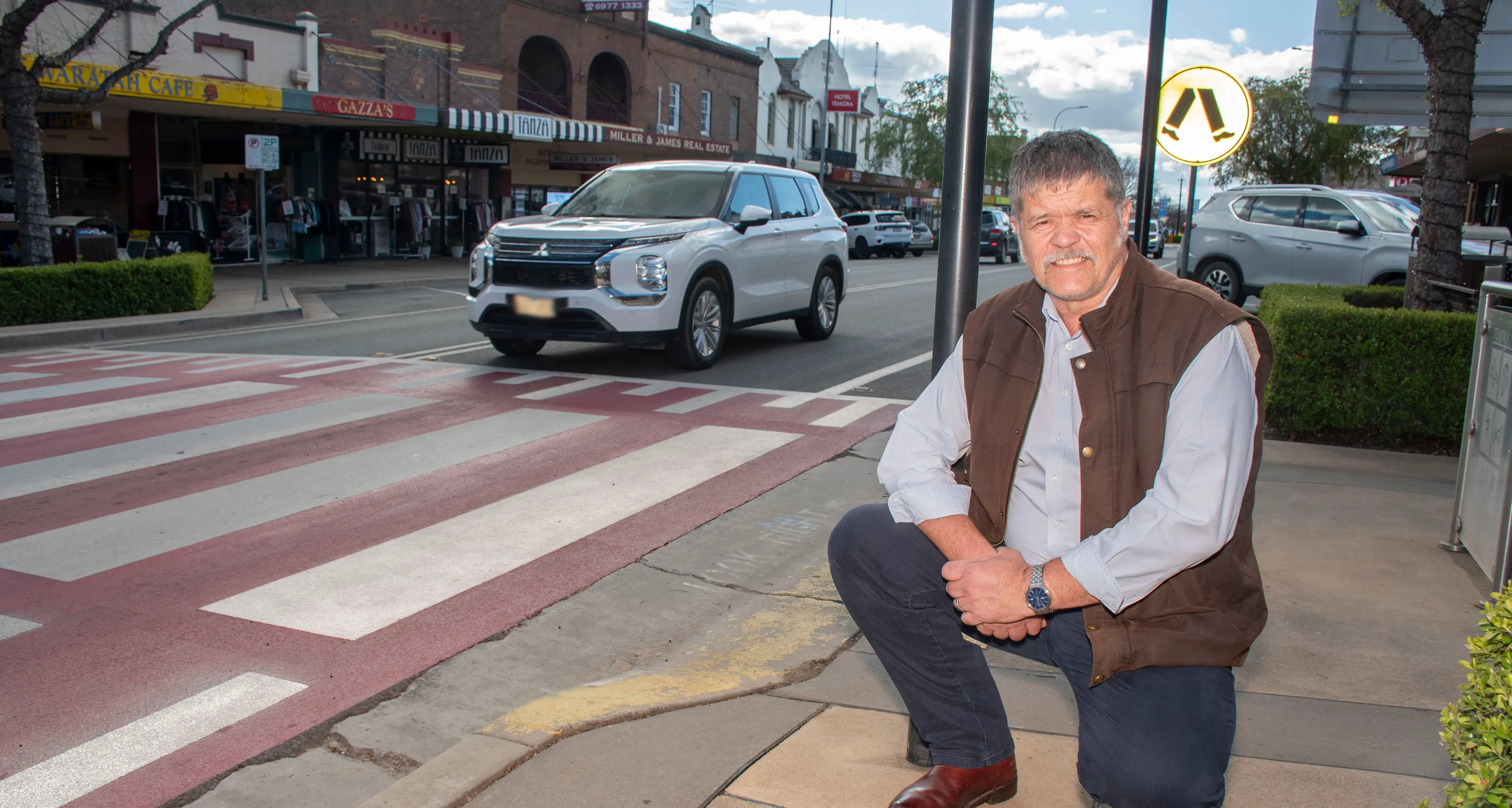
Local motorists are being urged to take extra care in relation to wildlife on local and regional roads as September marks the beginning of spring. September has been the worst month for animal collisions in recent years, according to the NRMA. NRMA Insurance receives more than 12,100 claims due to animal collisions each year. Road Safety Officer for Temora/Bland/Coolamon/Junee Shire Councils, Steven Bloomfield, has reminded local drivers to keep on the lookout for animals and slow down. Mr Bloomfield said the combination of warmer weather, increased wildlife movement and animals feeding along roadside verges can increase the likelihood of vehicle–wildlife collisions, particularly around dawn and dusk. Nocturnal animals tend to be more active when the days are shorter and cooler. “Kangaroos and other wildlife can move quickly and unpredictably onto the road,” he said. “Wildlife can appear with very little warning, so drivers need to expect the unexpected, particularly on rural roads and in areas where wildlife warning signs are displayed. “Slowing down gives drivers more time to react and can make the difference between a close call and a serious crash. “Remember, on country roads, wildlife is a road hazard too. “Take the extra time, stay alert and arrive safely.” Motorists are encouraged to: • Reduce speed, particularly around dawn and dusk • Scan the road and roadside verges for movement or animal eyeshine. • Take extra care near waterways, roadside vegetation and known wildlife areas • Brake in a controlled manner if an animal enters the road • Do not swerve suddenly to avoid an animal, as this can result in loss of vehicle control or a more serious collision Kangaroos, which often graze near roads because moisture runoff can increase food availability, are the most likely animal to be involved in a crash, accounting for more than 85 per cent of all animal collision claims. Other animals often involved in collisions include wombats, deer and livestock. If a collision with an animal does occur and an animal is injured, drivers can contact WIRES on 1300 094 737 or use the IFAW Wildlife Rescue app to find a suitable wildlife rescue organisation for their location.