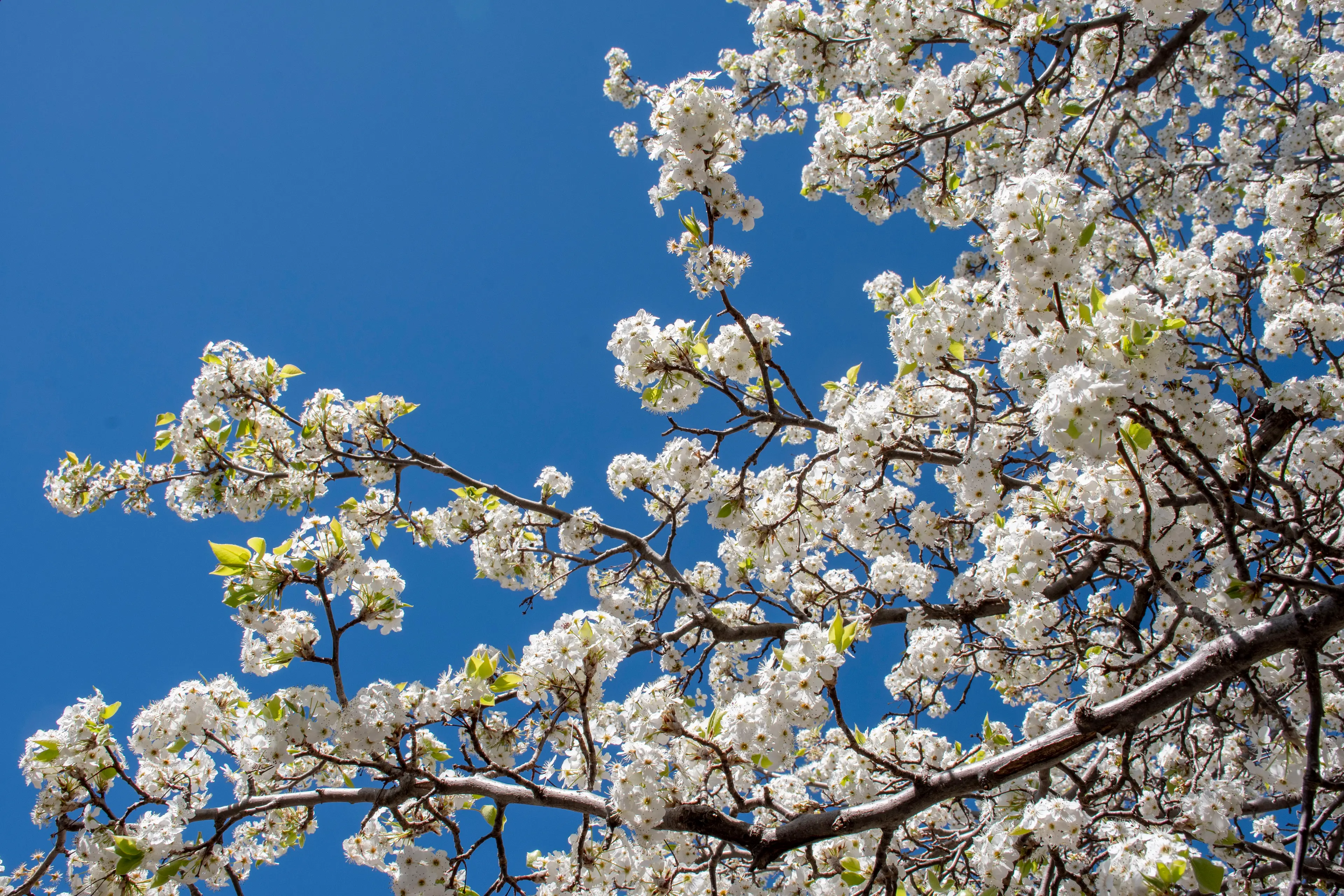
Spring has sprung as September 1 marked the first day of a new season when we farewelled winter last week. Winter left us chilled to the bone on many days when the mercury dropped to below zero figures - 19 days dipped below freezing this winter. The first winter’s day to reach below zero in Temora was on 8 June, when -0.7C was recorded. Temora’s coldest day this winter was on 31 July when the mercury plummeted to -3.3C. The coldest maximum temperature this winter didn’t reach double figures, coming in at 9.3C on 24 June. In August, the last month of winter, Temora’s maximum temperature was recorded at 22.6C on 31 August - well below the warmest ever maximum temperature recorded in Temora for August at 26.9C, in 2007. Temora experienced a slightly warmer August than usual, with the average maximum temperature recorded at 16.6C, meaning the final month of winter this year was slightly warmer, compared to an overall average August daily maximum temperature of 15.5C. This average maximum temperature has been exactly one degree cooler than Temora’s warmest ever August on record, when the average maximum temperature was 17.6C in 2024. This August was slightly warmer than the monthly minimum temperature averages on record, coming in at 3.3C, which is 1.2C above the overall August long term average of 2.1C. In relation to rainfall, Temora’s wettest winter day this year was on 10 August when 32.4 fell. A total rainfall amount of 212.6mm fell in Temora over 40 of winter’s 92 days. A total of 50.6mm fell in the first month of winter in June, 52.6mm in July and 109.4mm in August. Meanwhile, Temora farmer Graham Sinclair has welcomed recent rainfall, but he is hoping for more moisture later this month to ensure a good yield. “The near-ideal weather has continued through winter with only a few frosts, most of which were light. “The recent rain has kept soil moisture levels full and another good fall in the second half of September would probably get most crops home. “I think by now all the imputes have been made, so it is over to Mother Nature to decide the final outcome, but the potential for a good harvest is quite high. “Grain prices are starting to rally a bit for canola and wheat which is also good news. “While the forecast is for an El Niño to develop, locally anyway, we are in a very good position.” The latest predicted conditions for Temora are expected to reach a maximum temperature in the high teens over the next several days, with a chance of a small amount of rain falling. Meanwhile, the Australian Bureau of Meteorology (BoM) has released its 2026 spring long-range forecast. BoM predicts spring rainfall is likely to be below average for most southern parts of NSW. Total spring rainfall has a high chance of reaching at least 10 to 50 mm in western NSW. Above-average temperatures are very likely across NSW, both during the day and overnight. There is an increased risk of fire this season in parts of northern and south-eastern NSW following recent dry conditions.