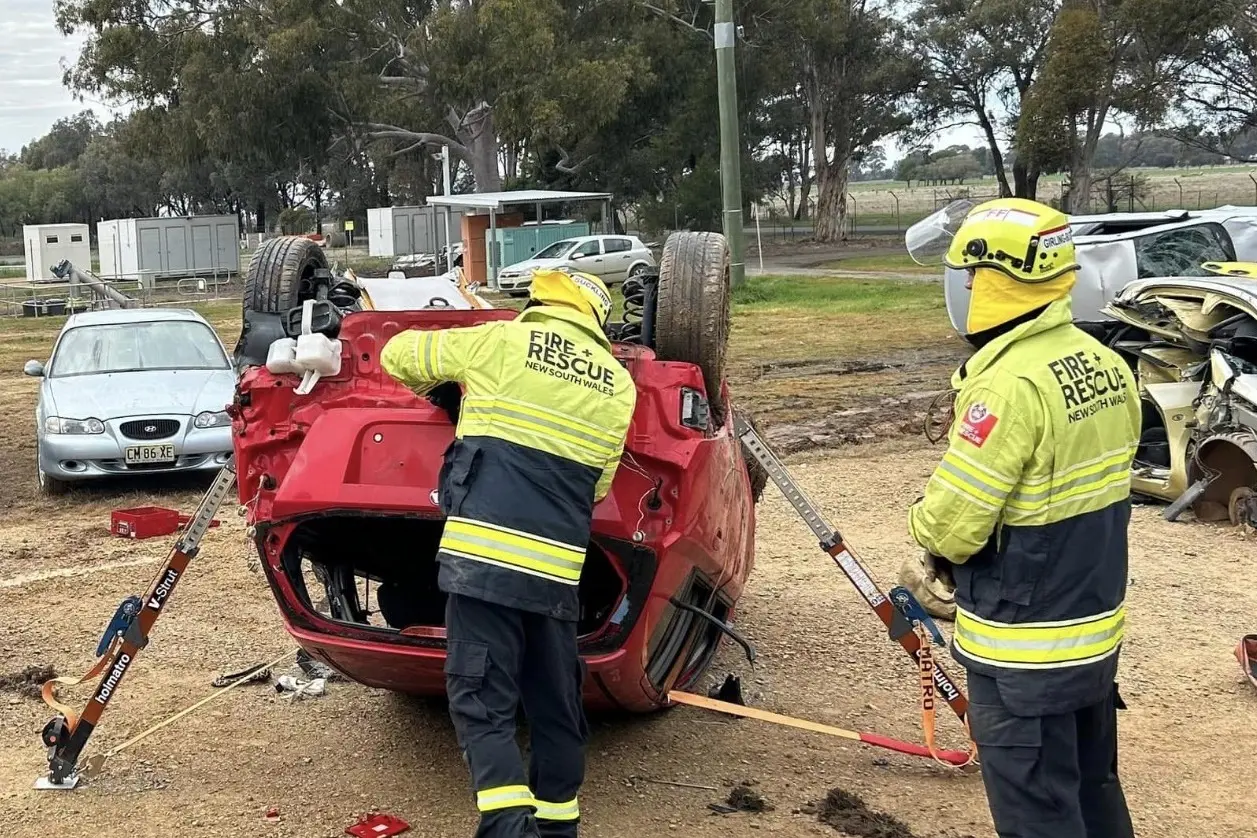
Written-off vehicles will be given a second life in preparing firefighters for complex road crash rescues in a new partnership between Fire and Rescue NSW (FRNSW) and major insurers. The initiative is supported by the Insurance Council of Australia (ICA), and the program will provide FRNSW ongoing access to vehicles that are no longer roadworthy but are valuable for specialist training. FRNSW Deputy Commissioner, Paul McGuiggan said that salvage vehicles allow FRNSW to simulate a wide range of realistic rescue scenarios and prepare firefighters for the complex conditions they face at road crashes. “That experience during recruit and refresher training can make a difference during time-critical rescues,” he said. “As vehicle design and technology continue to evolve, firefighters must be prepared for increasingly complex rescue environments. “This program will strengthen our road crash rescue capability and help protect motorists when they need us most.” So far participating insurers Allianz, NRMA Insurance, QBE, and Suncorp have donated almost 100 wrecked vehicles to launch the program. Insurance Council of Australia CEO Andrew Hall said that insurers understand the devastating impact of serious road crashes, and supporting firefighters to prepare for these complex rescues is a practical way of helping to make NSW roads safer. “Vehicles that can no longer be safely returned to the road can still serve the community by giving emergency services crews realistic vehicles and scenarios to train in,” Mr Hall said. “We’re grateful to firefighters whose skill and professionalism helps save lives on our roads every day. “This partnership is a practical example of insurers working with government and emergency services to put salvage vehicles to good use and support better outcomes when crashes happen.” Training with modern vehicles in realistic scenarios allows crews to adapt their techniques, manage emerging hazards, make critical decisions under pressure and build the practical skills needed to save lives. Through the initiative, firefighters are trained to stabilise damaged vehicles, access trapped occupants and manage complex crashes. In 2025, FRNSW attended 14,075 vehicle accidents, including 4,794 involving injuries and/or rescues. Road crash rescue and general land rescue training courses for firefighters use almost 400 vehicles each year. The partnership is already helping FRNSW meet this ongoing need, while establishing a coordinated, ongoing supply of vehicles. FRNSW is encouraging more insurers to join the initiative.