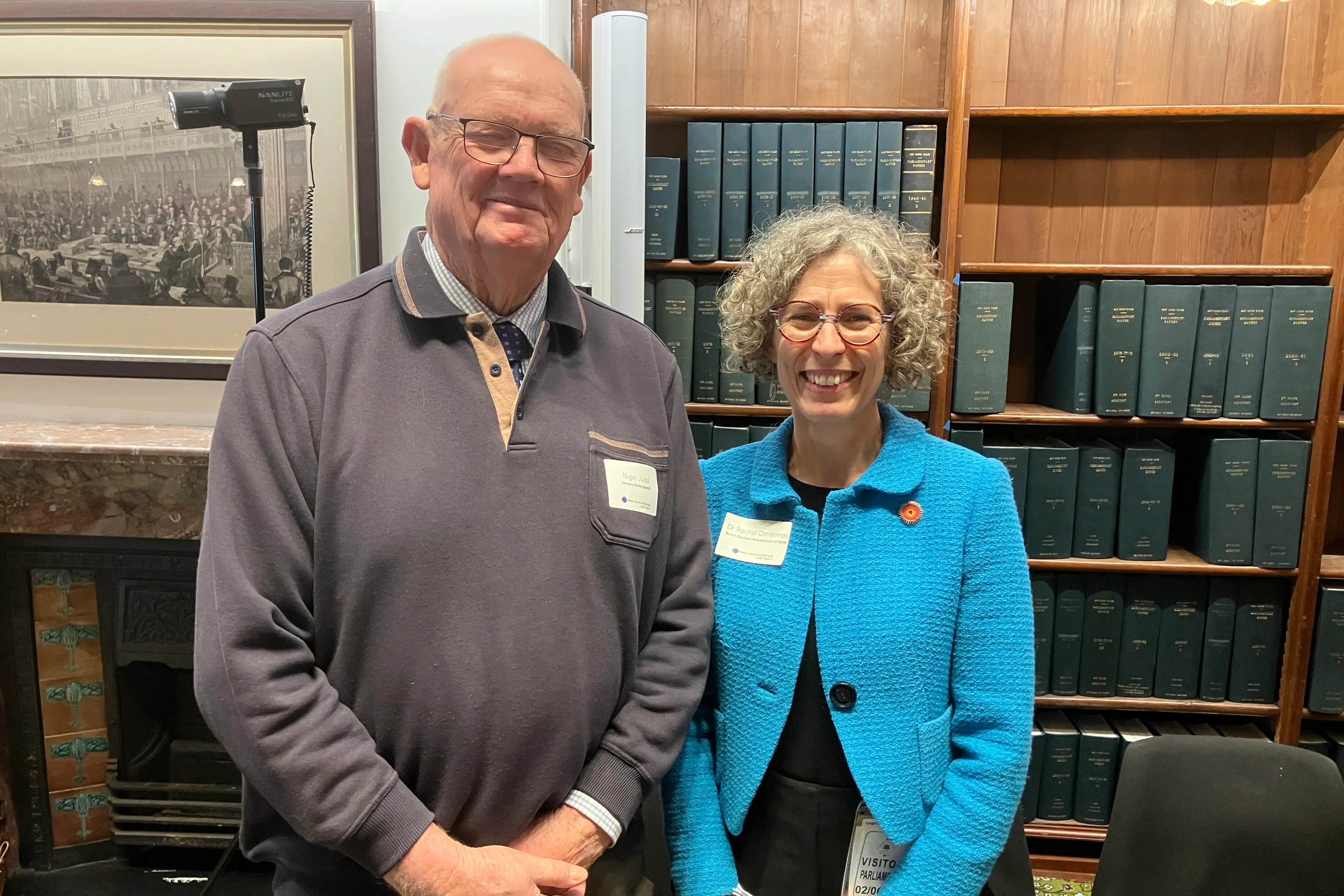
A strong message has been sent to the NSW state government that regional, rural and remote communities are demanding improvements to healthcare services as the Rural Health Action Plan (RHAP) gathers strong support. Political leaders, professional groups and advocacy organisations united at parliament in what has been labelled a milestone event last Tuesday 2 June. The RHAP is a six-point blueprint for better healthcare that was launched by the Independent Member for Wagga Wagga, Dr Joe McGirr in September last year and is now backed by 50 organisations and individuals. Temora Shire Council is one of those organisations and acknowledges the work already underway by the NSW Government and was represented at the meetings by councillor Nigel Judd. Mayor Rick Firman said the Temora Shire community benefits from the progress being made, but there is still more work to do. “Dr McGirr’s Rural Health Action Plan builds on existing initiatives and ensures local voices remain central to decision-making,” Cr Firman said. “By supporting local staff, improving access to birthing and children’s health services, and embedding communities in governance, we can provide care that is reliable, sustainable, and close to home.” Another of the organisation getting behind the initiative is the Regional Health Ministerial Advisory Panel, of which Cr Firman is a member, continues to strengthen community engagement and foster genuine co-design in the development of regional healthcare services. To reinforce the message that healthcare reform is a bipartisan issue, Dr McGirr invited MPs from all major parties and the crossbench to hear how and why positive changes should be made. Speakers on the day included CWA leader Danica Leys, birth services advocate Jen Laurie, Health Minister Ryan Park. Shadow Minister for Health, Sarah Mitchell, the Independent Member for Barwon, Roy Butler, and the Greens Health spokesperson, Dr Amanda Cohn. Another of the speakers was Temora local Dr Rachael Christmas who is president of the Rural Doctors Association representing the voice of rural and remote doctors. Dr McGirr thanked the speakers, saying their voices added to growing calls for reform saying that the meeting heard and loud and clear that rural and regional communities will no longer accept second best when it comes to healthcare. “I’ll be making sure that the government is well aware of the need for immediate reforms, in line with my six-point plan,” he said. “The plan now has 50 formal supporters from professional, community and political groups and all are unanimous in supporting reforms that will make country communities healthier, happier and safer. “Bringing that message direct to decision makers at parliament today was a valuable opportunity to make sure their voices are heard and most importantly, there was multi-partisan support for reform from across the political spectrum.” As part of the RHAP, Dr McGirr has presented a bill to parliament calling for legislation to enshrine the right of country communities to primary care, aligning with point one of the plan - “A GP for every town.” The six points of the Rural Health Action Plan include: A GP Guarantee – fund flexible, team-based models and train a local workforce. A Watchdog for Rural Health – create an independent Rural Health Commissioner. One System, Working Together – fund Rural Health Precincts and require collaboration between hospitals, GPs and, community care. Local Staff, Not Fly-Ins – redirect funds to permanent staffing, housing and support. Local Voices, Real Power – mandate genuine consultation and embed communities in governance, including First Nations communities. Birth Closer to Home – reopen rural birthing units and expand midwife-led and culturally safe models.