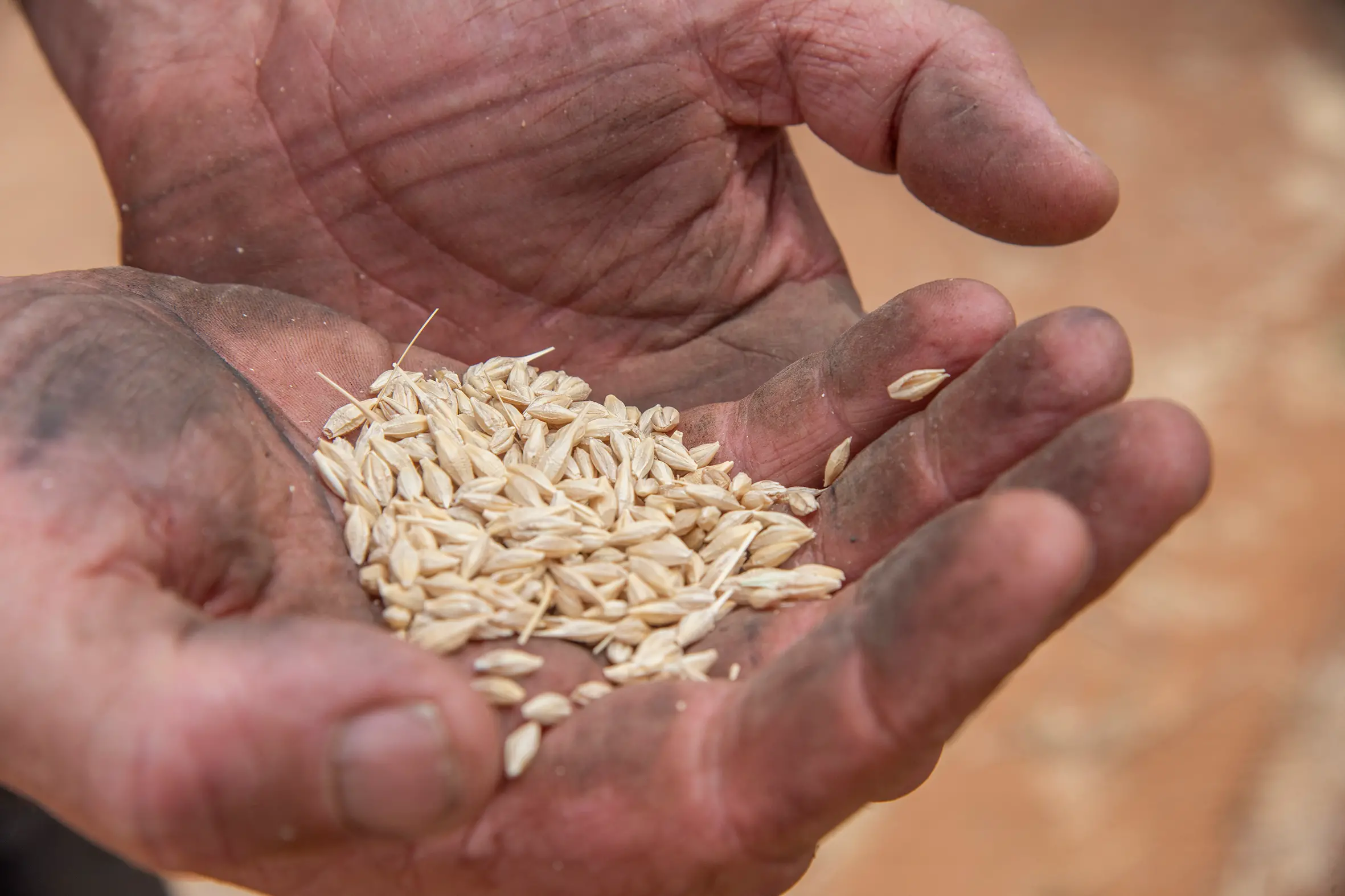
Leading agribusiness bankers, Rabobank Group have released their 2026/27 Australian Winter Crop Forecast and are predicting Australia will be planting a reduced winter crop this year. According to the bank the nation’s grain growers are contending with mixed weather conditions and the impacts of significantly higher farm input costs, which is likely to result in an eight percent drop on last year and 4.3 per cent drop below the five-year average with a cropping area of just 23.1 million hectares for the season. The decline in cropping area is forecast to come at the expense of wheat, with the nation’s wheat planting estimated to be down by a substantial 20.4 per cent on last year to 9.8 million hectares, according to the annual outlook, by the bank’s RaboResearch division. This is 24 per cent below the five-year average. The bank’s current base case forecast is for approximately 21.3 million tonnes of wheat to be heading for the bins at harvest. This would be down 41 per cent on the 35.8 million tonnes of wheat produced in the last crop. Barley, canola and pulse plantings are forecast to increase on last year’s area, with these commodities offering growers potentially stronger margins than wheat, according to report author, RaboResearch senior grains and oilseeds analyst Vitor Pistoia. “Australia enters the 2026/27 winter cropping season with a more uneven and weather-dependent cropping area than in recent years,” Mr Pistoia said. The report also looked at input costs and said elevated farm input costs – particularly higher global fertiliser and diesel prices due to the Middle East conflict – were increasing production costs for Australian growers and influencing cropping decisions this quarter. “These higher costs are encouraging shifts towards lower-input crops and contributing to a reduction in total cropping area,” Mr Pistoia said. There is an expectation that canola and barley crops to be up on both last years figures and the five-year average. The broader oilseed market globally is supported by strong demand linked to biofuel policies and elevated energy prices. Area planted to canola this year is projected to be up 8.5 per cent on last season to 3.7 million hectares (7.6 per cent above the five-year average). The expected expansion in canola cropping area in Australia reflected “improved relative returns compared with wheat” as well as favourable early-season moisture, particularly in Western Australia and South Australia, Mr Pistoia said. “While this additional supply may temper local price upside at harvest, canola continues to benefit from rising global energy prices and biofuel mandates,” he said. Canola production is projected to reach 6.4 million tonnes – again down (by 13 per cent) on last season’s 7.4 million tonnes, but in line with the five-year average. Despite a larger area to be planted to canola this year, the lower production outlook is driven by the increased likelihood of dry weather conditions over “the pod filling period” due to the prospects of El Nino, Mr Pistoia said.