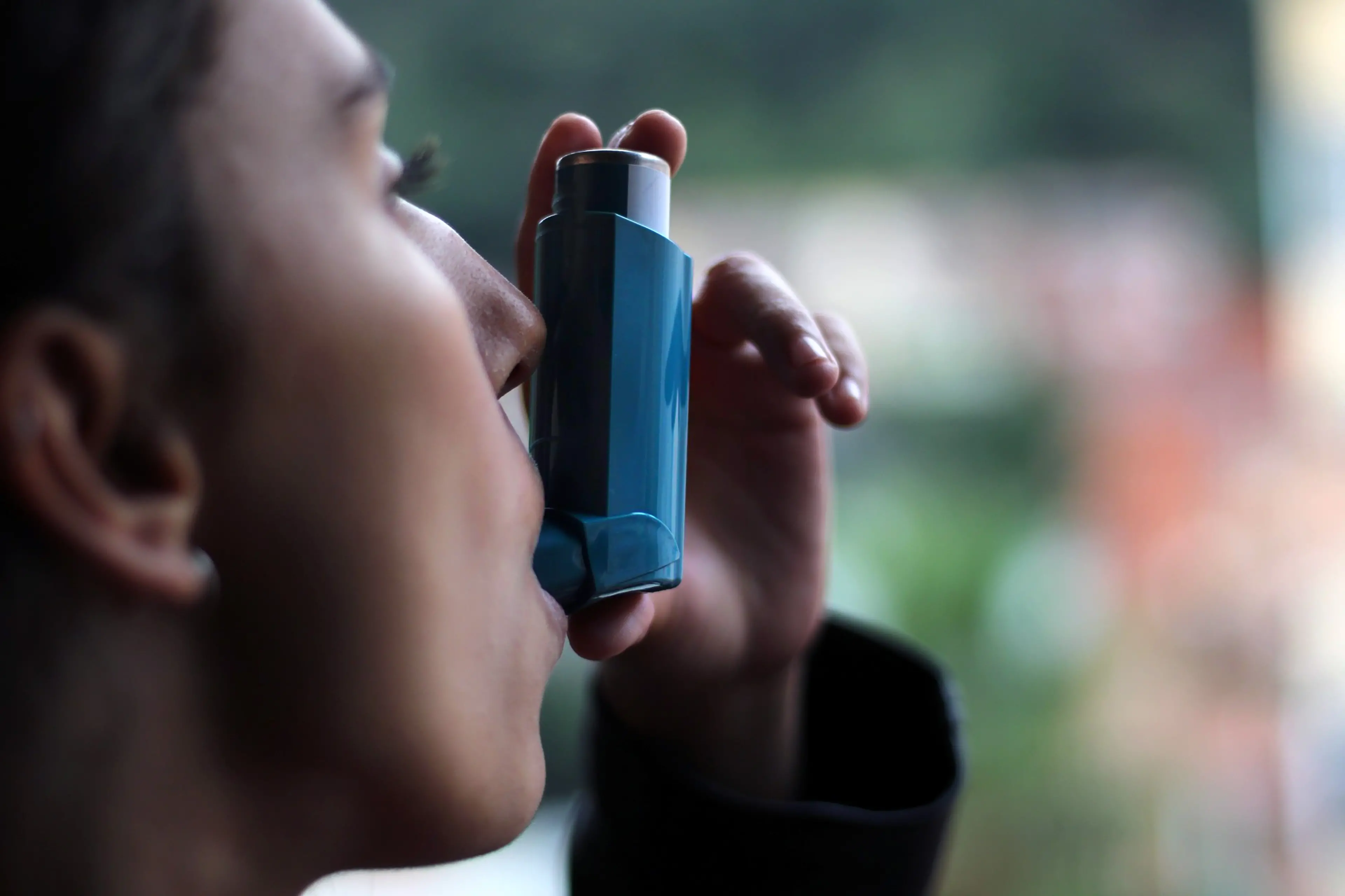
The Murrumbidgee Thunderstorm Asthma Collaborative is reminding residents across the region to understand and prepare for the risks of thunderstorm asthma. Thunderstorm asthma events occur when specific weather conditions break grass pollens into very small particles that can be inhaled deep into the lungs. While these events are uncommon, they can develop quickly and place significant pressure on health services. People with asthma or hay fever are most at risk, however thunderstorm asthma can also affect people with no previous diagnosis, sometimes with sudden and severe symptoms. With forecasts indicating an active storm season combined with high pollen levels, local health experts are urging the community to take simple preventative steps now. Murrumbidgee Thunderstorm Asthma Collaborative Chair Alison Nikitas said preparation can make a critical difference during high-risk conditions. “Thunderstorm asthma can escalate quickly, particularly during spring when pollen levels are high,” Ms Nikitas said. “People may not realise they are at risk until symptoms appear, so it’s important to take simple steps now to be ready.” The risk is particularly relevant in the Murrumbidgee, where grass pollen levels can be elevated and the population continues to grow with new residents who may be unfamiliar with local conditions. Residents are encouraged to review their asthma action plan, ensure medications are up to date, and speak with a GP or pharmacist if they have concerns. When thunderstorms are forecast, the safest place to be is indoors with windows and doors closed. Murrumbidgee Thunderstorm Asthma Collaborative